
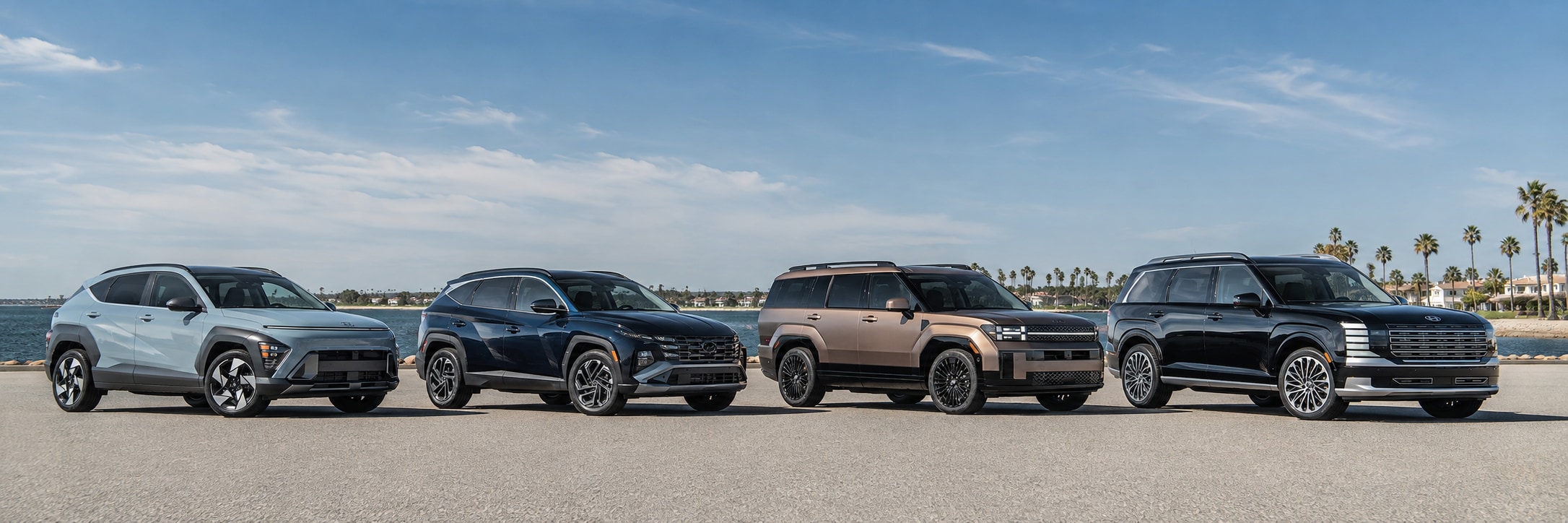
The right Hyundai SUV should have room for the people and belongings that actually travel with you. That may mean an easy-to-manage crossover for commuting, two roomy rows for an active week, a third row for occasional guests, or enough passenger space to keep the whole group in one vehicle.
The Best Hyundai SUV Depends on How You Live
The Kona works well for commuters and drivers with lighter passenger needs. The Tucson gives two-row households more everyday flexibility, while the Santa Fe adds a third row that can be used as plans change. The Palisade is the stronger starting point when several passengers will use all three rows regularly.
| Your Lifestyle | Hyundai SUV | Seating | Powertrains to Compare Locally | What Sets It Apart |
|---|---|---|---|---|
| Commuting, errands, and social plans | Kona | 5 | Gas | The smallest exterior dimensions in this group make it easier to manage without giving up a flexible rear cargo area. |
| Workdays and changing weekend needs | Tucson | 5 | Gas or hybrid | Two roomy rows and open cargo space create a useful balance for passengers, pets, groceries, and weekend gear. |
| Family routines and occasional extra passengers | Santa Fe | 6 or 7 | Gas or hybrid | A third row adds passenger flexibility while folding seats allow more room for cargo when fewer people ride along. |
| Carpools, larger households, and group travel | Palisade | 7 or 8 | Gas | The largest cabin in this comparison better supports regular third-row use and full-house travel. |
Powertrain and seating availability vary by model, trim, model year, and current selection. Review the details of each vehicle when comparing configurations.
A Closer Look at Each Hyundai SUV
Hyundai Kona for a More Manageable Daily Drive
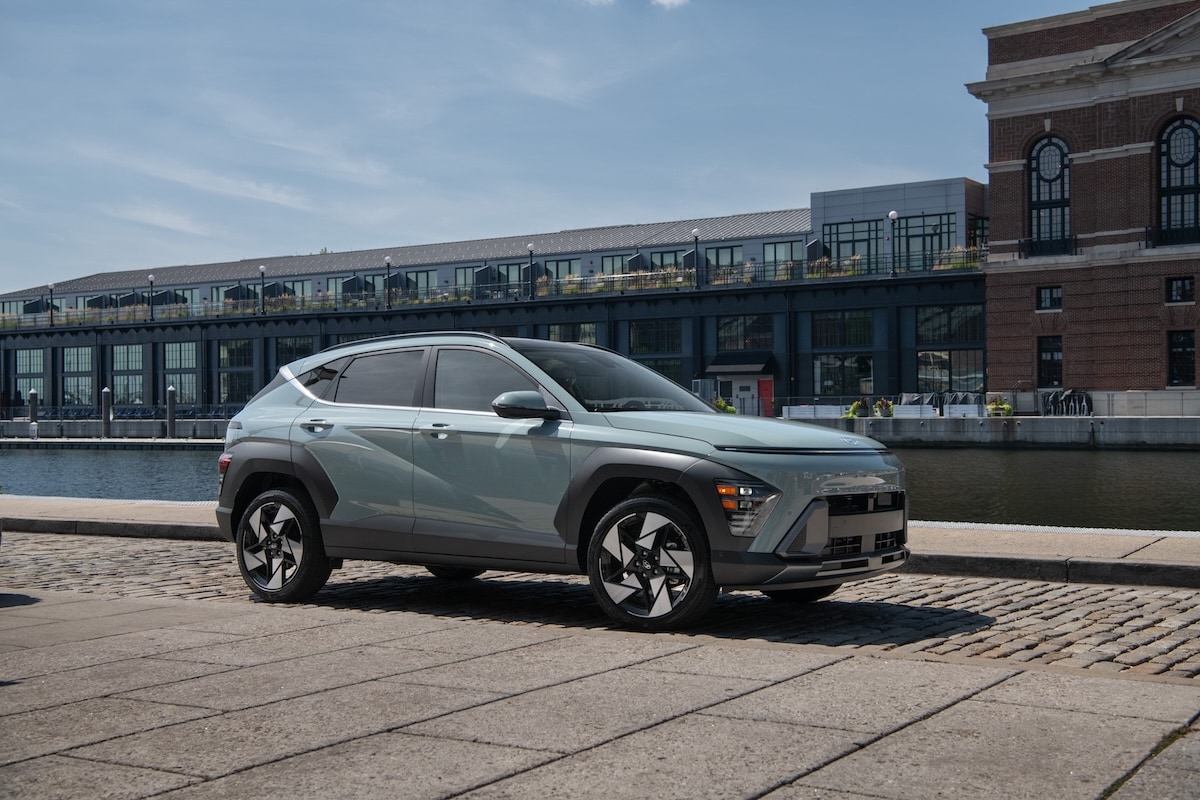
The Hyundai Kona is the smallest SUV in this comparison. Its compact dimensions can be helpful when a normal day includes commuting, appointments, errands along Veterans Memorial Boulevard, and several stops before heading home.
Inside, the Kona seats five and has a split-folding rear seat. That gives one or two people enough flexibility for groceries, luggage, or hobby supplies without asking them to move into a larger SUV.
The tradeoff is passenger and cargo capacity. A household that regularly carries adults in the second row or needs to combine passengers with bulky cargo may be more comfortable in the Tucson. Drivers who rarely use every seat may find the Kona gives them exactly the amount of SUV they want.
Hyundai Tucson for Flexible Two-Row Space
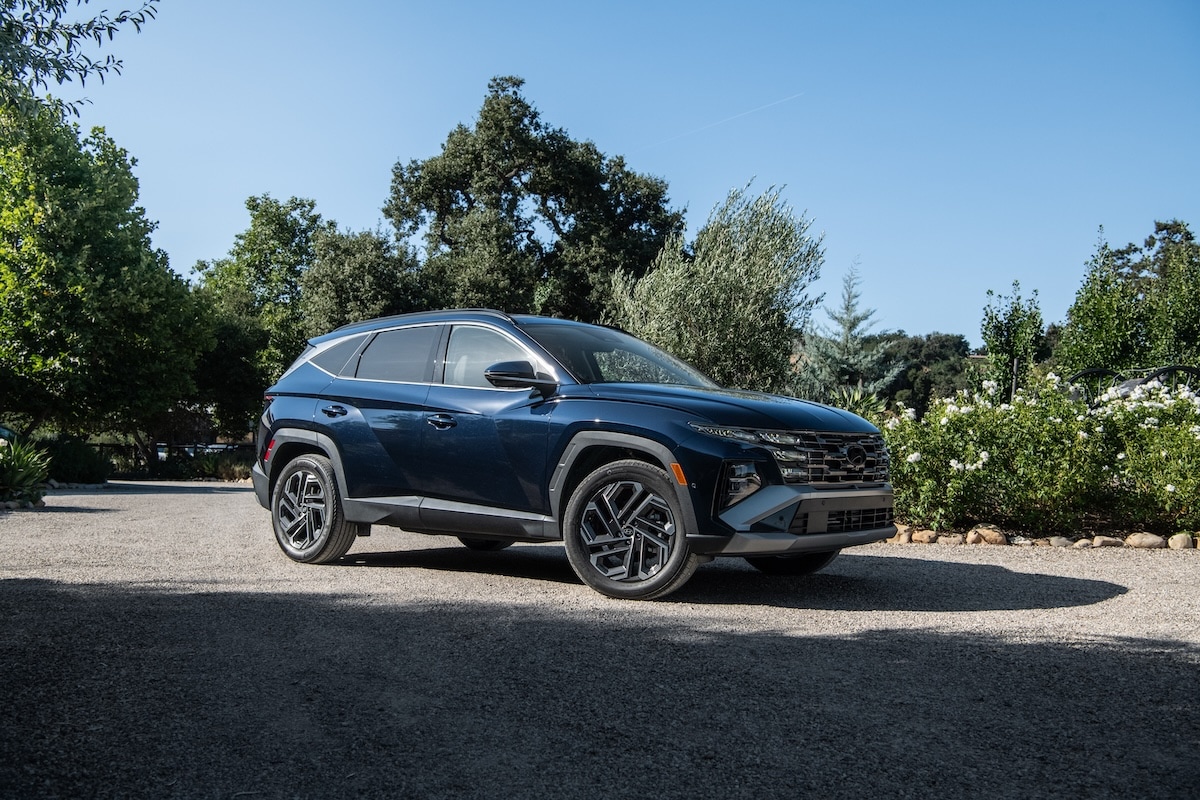
The Hyundai Tucson is a practical match when five seats are enough but the Kona may feel too limited for regular passengers and cargo. It keeps a two-row layout while adding more room for the parts of life that tend to collect in an SUV.
There is open cargo space behind the second row for groceries, pet supplies, luggage, or gear for a day at Lafreniere Park. The rear seats can also fold when a larger purchase or home project needs more room than people do.
The Tucson does not have a third row. That can be a benefit for drivers who would rather keep the space behind the second row available for cargo, but it becomes a limitation when six or more people frequently need a ride. Gas and conventional hybrid versions give shoppers another way to narrow their choice.
Hyundai Santa Fe for Changing Passenger Plans
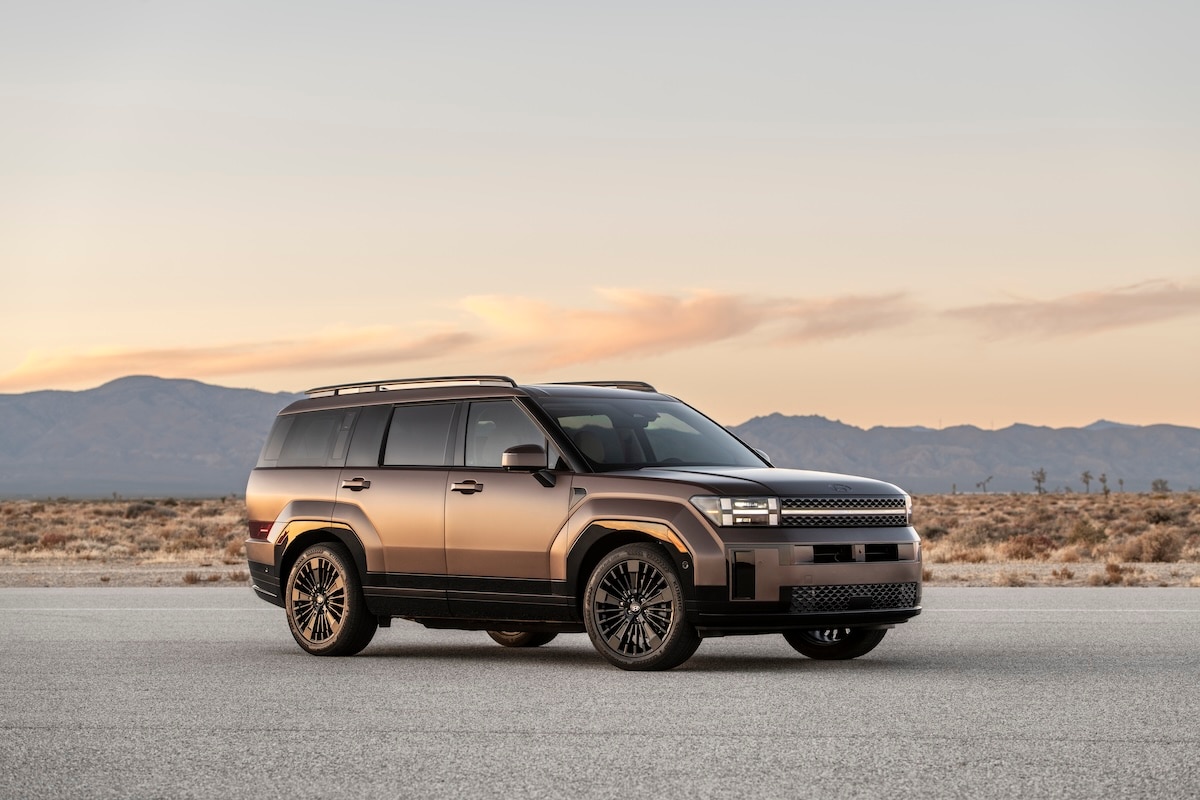
The Hyundai Santa Fe adds a third row without moving all the way to the larger Palisade. It can work well for families that usually need two rows but appreciate having extra seats for a friend, relative, or another member of the carpool.
The third row can remain folded when cargo space takes priority, then return to passenger use for a school activity, family gathering, parade day, or dinner with visiting relatives. That ability to switch between people and cargo is the main reason to consider the Santa Fe over the Tucson.
There is a tradeoff when every seat is occupied because raising the third row reduces the cargo space behind it. Households that expect to carry several passengers and their belongings at the same time should compare the Santa Fe and Palisade in person.
Depending on the configuration, shoppers may find a second-row bench or individual second-row seats. Gas and conventional hybrid versions are also represented locally, and neither requires external charging.
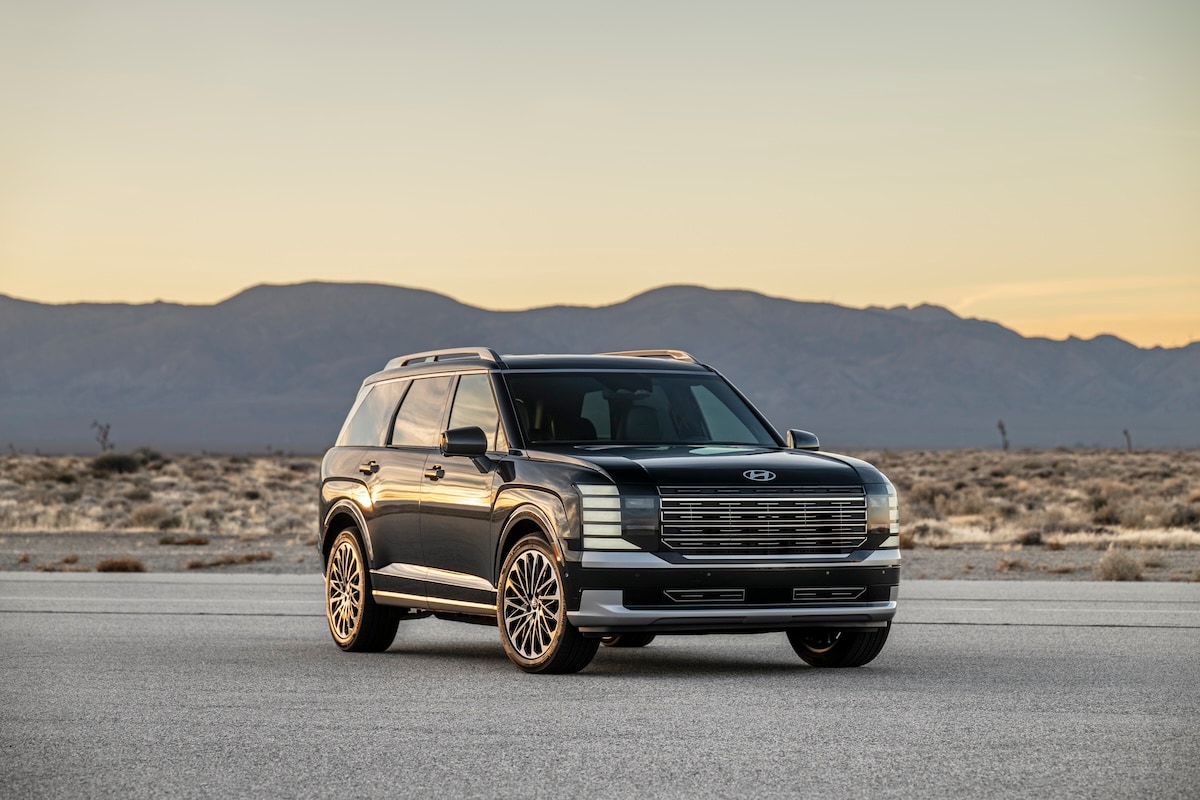
Hyundai Palisade for Regular Three-Row Use
The Hyundai Palisade is the largest SUV in this group and seats seven or eight people depending on its configuration. It is the more natural starting point for larger households, carpools, and drivers who know the third row will be used often.
That passenger room can simplify family dinners, high school sports, Saints game-day plans, and LSU watch parties when everyone wants to travel together. It also gives adults and older children more reason to include the third row in a serious comparison rather than treating it as backup seating.
The Palisade takes up more room than the other SUVs on this list, so the extra capacity should solve a need that matters to the household. A second-row bench maximizes seating, while available individual second-row seats create a clearer walkway to the third row.
What Needs to Fit at the Same Time?
The number of seats is only part of the decision. A vehicle also needs room for the child seats, pets, bags, equipment, and other items that travel with those passengers.
Think through the combinations that occur during your busiest week:
- Child seats, a stroller, and groceries
- Sports bags and several passengers
- Pets, luggage, and weekend supplies
- Folding chairs, coolers, and parade-day necessities
- Visiting relatives and their bags
- Home-project purchases with part of the rear seat still occupied
The Tucson keeps its cargo area open behind two rows. The Santa Fe allows drivers to alternate between extra seats and more cargo room, while the Palisade is better prepared when passengers will occupy all three rows more regularly.
Measurements can help narrow the list, but the shape of the cargo opening and the placement of child seats can change how useful that space feels. This is one part of the comparison that is easier to judge with the actual vehicle in front of you.
Which Hyundai SUV Powertrain Fits Your Routine?
Gas powertrains maintain the fueling routine most drivers already know. Conventional hybrids can reduce fuel use without requiring a charger, while electric SUVs replace gasoline with battery power and need regular access to charging. The right choice depends on driving habits and access to the fuel or charging source each powertrain requires.
Gas
A gas SUV may be the simplest choice for drivers who want quick refueling, broad model availability, and no need to plan around a charging location.
- Familiar gas-station refueling
- No home-charging equipment required
- Useful for varied daily and longer-distance driving
Hybrid
A conventional hybrid uses a gas engine, an electric motor, and a battery. The Tucson Hybrid and Santa Fe Hybrid do not need to be plugged in because their systems recharge through the engine and regenerative braking.
- No external charging required
- Greater fuel efficiency than a comparable gas configuration
- A familiar gas-station routine
Electric
An electric SUV runs on battery power and must be charged. It is most practical when home charging, daily mileage, public charging access, and longer-trip habits work with a normal driving routine.
- No gasoline required
- Quiet power delivery
- Home-charging convenience when available
Our guide to Hyundai hybrid SUVs for road trips takes a closer look at efficiency, passenger comfort, and cargo needs during longer drives.
A vehicle that looks spacious online can feel different once the seats, passengers, and cargo are arranged the way they will be used.
Meet Your Hyundai SUV Match in Metairie
Start with the two Hyundai SUVs that come closest to your passenger and cargo needs, then compare them side by side at Matt Bowers Hyundai Metairie. Sit in each row, fold the seats, open the cargo area, and drive both before deciding.
Visit us on Veterans Memorial Boulevard to compare the Hyundai SUVs that make the most sense for your household.
View New Hyundai SUVsFrequently Asked Questions About Hyundai SUVs
Should I Choose the Kona or Tucson if I Rarely Carry Rear Passengers?
The Kona may be enough if compact dimensions matter most and cargo needs are usually modest. The Tucson gives you more room to carry luggage, pet supplies, groceries, or larger purchases without moving into a three-row SUV.
When Does It Make Sense to Move From the Tucson to the Santa Fe?
The Santa Fe becomes more useful when five seats are occasionally not enough. Its third row can accommodate additional passengers, while the Tucson keeps the space behind its second row dedicated to cargo.
Can a Three-Row Hyundai SUV Still Work for a Smaller Household?
Yes. A smaller household may still benefit from a Santa Fe or Palisade if it regularly carries guests, pets, large equipment, or travel gear. Folding the unused rear seats allows more of the cabin to be used for cargo.
Is All-Wheel Drive Available on These Hyundai SUVs?
All-wheel drive is available on the Kona, Tucson, Santa Fe, and Palisade in selected configurations. Availability depends on the model, trim, powertrain, and current selection, so confirm the drivetrain listed for each vehicle.
Is the Palisade Too Large for Everyday Errands?
That depends on driver comfort with its size and how often the added passenger room is used. A test drive can help you compare visibility, turning, parking comfort, and daily maneuverability against the smaller Santa Fe.